
Automotive Manipulators: The Complete Guide to Safer, Faster Assembly Line Handling
What Happens When the Assembly Line Stops?
Ask any automotive plant manager what their worst nightmare is, and they’ll probably say: “A worker down and the line stopped, at the same time.”
It happens more than you’d think. A worker strains their back lifting a 300-pound gearbox. The line halts while a replacement is found. Production falls behind. The safety report gets longer. The workers’ comp premium goes up. And somewhere in the boardroom, someone asks why cycle times are slipping.
Here’s the thing: most of those scenarios share one root cause: the wrong material handling approach.
Automotive manipulators are changing that equation on assembly lines across North America. At Thema North America, we work with automotive manufacturers who’ve eliminated manual lifting injuries within months of deploying the right ergonomic system. This guide covers everything plant managers, safety directors, and manufacturing engineers need to know.
What Is an Automotive Manipulator?
An automotive manipulator is a mechanical lifting and positioning device specifically designed for the demands of vehicle manufacturing environments. It allows one operator to safely handle loads, engines, body panels, gearboxes, seats, windshields, and EV battery modules that would otherwise require two or three workers or pose a serious risk of injury if attempted manually.
Unlike a standard overhead crane or forklift, an automotive manipulator gives the operator three-dimensional control: vertical lift, horizontal travel, and angular rotation, all with fingertip-level guidance force. The machine bears the weight; the operator directs the placement.
The result? Precise, repeatable, safe handling on every single cycle, whether it’s the first lift of the shift or the five-hundredth.
Explore Thema’s pneumatic manipulators for automotive manufacturing →
Why Automotive Plants Can’t Afford to Ignore Manipulators
Let’s talk real numbers, because “it improves safety” doesn’t get capital budget approved.
According to OSHA, the average musculoskeletal disorder (MSD) claim in manufacturing costs between $15,000 and $80,000 when you account for medical expenses, lost productivity, replacement labor, and the downstream impact on your Experience Modification Rate (EMR). Raise your EMR, and your workers’ comp premium rises with it, for years, not just that one claim cycle.
A single prevented injury can pay for an automotive manipulator.
Beyond injury costs, consider throughput: in high-volume automotive production, a manipulator for automotive assembly line work typically reduces per-cycle handling time by 20–35% compared to two-person manual methods, because one trained operator can execute the same move faster, more consistently, and without the communication overhead of a two-person team.
See how Thema’s ergonomic material handling solutions are applied across industries →
How Do Automotive Manipulators Improve Workplace Safety?
This is the question every EHS manager asks, and it deserves a direct, specific answer.
An automotive manipulator improves workplace safety by mechanically absorbing 100% of the load, removing physical strain on the operator while preserving their ability to guide, position, and orient the part with millimeter precision.
Here’s what that means on the plant floor:
1. Elimination of MSD-Causing Repetitive Strain: Repetitive heavy lifting is the #1 cause of musculoskeletal disorders in automotive plants. An ergonomic lifting solution for automotive OEMs handles the physical load on every cycle, preventing the cumulative damage that builds into a workers’ comp claim.
2. Removal of Two-Person Lift Requirements: Two-person lifts are high-risk moments, coordination failures, communication errors, and load imbalances all spike injury probability. An automotive manipulator system eliminates the need for two-person lifts on components up to 2,000 lbs.
3. Reduced Fatigue-Driven Errors: Worker fatigue degrades both safety and quality. By the end of an 8-hour shift, a fatigued worker moves more slowly, positions less accurately, and reacts less quickly. Pneumatic automotive manipulators maintain consistent performance from the first cycle to the last.
4. OSHA and IATF 16949 Compliance Support: OSHA’s ergonomic lifting standards and guidelines, and IATF 16949 quality management standards both favor engineering controls over administrative controls. Automotive manipulators are the gold standard of engineering control for manual handling compliance, documented, measurable, and auditable.
5. Lower EMR and Workers’ Comp Premium Impact: Fewer recordable injuries = lower EMR = lower insurance premiums. Plants that systematically deploy ergonomic lifting solutions typically see premium reductions of 15–40% within two policy cycles.
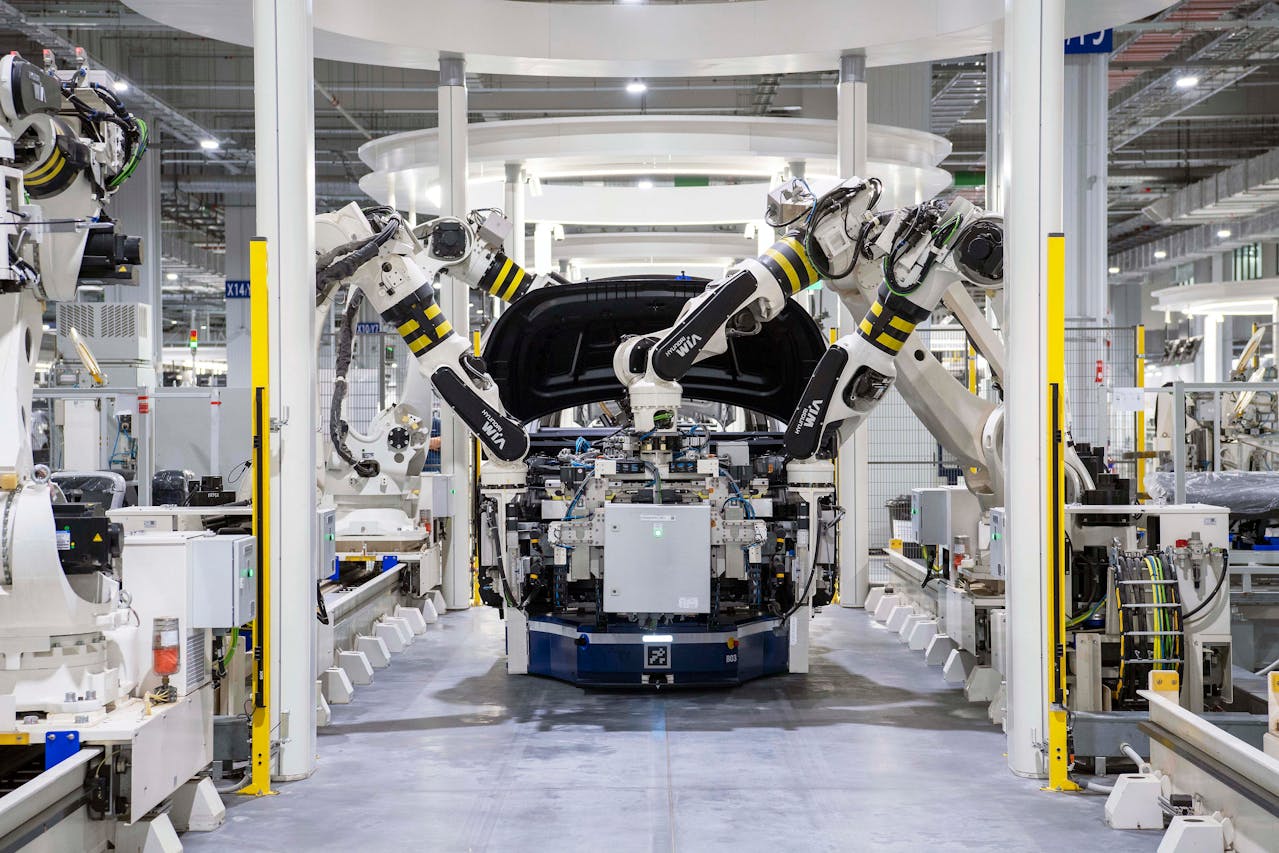
Pneumatic Automotive Manipulator Engine Block Assembly Line | Thema
Key Automotive Applications: What Gets Handled and How
Automotive manipulators integrate across nearly every stage of vehicle production. Here’s where they make the biggest difference:
Engine and Gearbox Handling
Engines and transmissions are among the heaviest components on the line, often 200–600 lbs. An engine handling manipulator for automotive applications allows a single operator to lift, rotate, and precisely lower the powertrain into the engine bay or onto a subassembly cart, without strain, without a second worker, and with positioning accuracy that manual methods can’t match.
Windshield and Glass Installation
Glass is heavy, fragile, and unforgiving of positioning errors. A windshield installation manipulator with vacuum suction end-effectors handles the glass securely, positions it with millimeter accuracy, and eliminates the handling damage that causes expensive rework and line delays.
Body Panel Positioning – Manipulator Car Applications
Doors, hoods, fenders, and trunk lids are large, awkward, and easily scratched. Manipulator car body panel handling systems allow operators to pick up, orient, and place panels in one smooth motion, reducing both cycle time and the micro-damage that causes paint and fit issues downstream.
Tire and Wheel Assembly
Tires are awkward. Wheels are heavy. Doing both together, repeatedly, across a shift, is a recipe for cumulative back injuries. An industrial manipulator for tire and wheel assembly eliminates the manual lifting component while keeping the operator in control of alignment.
Interior Assembly: Seats and Dashboards
Car seat assembly manipulator systems handle the weight and bulk of seat units while the operator guides precise placement into the cabin, avoiding the awkward bent-over posture that causes most interior assembly MSDs.
EV Battery Module Handling
This is the fastest-growing application in the sector right now. EV battery handling manipulators are specifically engineered for the weight (often 400–1,200 lbs for full modules), the chemical sensitivity, and the extreme positional accuracy required for battery pack assembly. As EV production scales across North American plants, automotive manipulator systems for battery handling are going from optional to essential.
View Thema’s complete automotive handling solutions →
Automotive Manipulator vs. Industrial Robot: Which Does Your Line Need?
This confusion costs automotive plants real money, either by over-investing in robotics for tasks that don’t need it, or under-investing in ergonomic support for tasks where human judgment is irreplaceable.
Here’s the honest breakdown:
| Factor | Automotive Manipulator | Industrial Robot |
| Control type | Human-guided (semi-automatic) | Fully programmed (automatic) |
| Best for | Variable tasks, irregular parts, and human judgment are required | Repetitive, structured, high-volume identical tasks |
| Flexibility | Reconfigure in hours | Reprogram in days/weeks |
| Load range | 10 kg – 2,000 kg | Typically 3 kg – 500 kg (varies) |
| Initial cost | $$ | $–$$ |
| ROI timeline | 12–24 months | 24–48 months |
| Handles shape variation | Yes | Limited without AI/vision systems |
| OSHA ergonomic compliance | Direct engineering control | Indirect (removes worker entirely) |
The right answer for most automotive plants is both robots handling perfectly repetitive tasks like spot welding and painting, and automotive manipulators handling the variable, judgment-dependent tasks like part placement, interior assembly, and quality-check positioning.
Many modern automotive lines run this hybrid model with excellent results: the robot handles the pattern; the manipulator handles the exception.
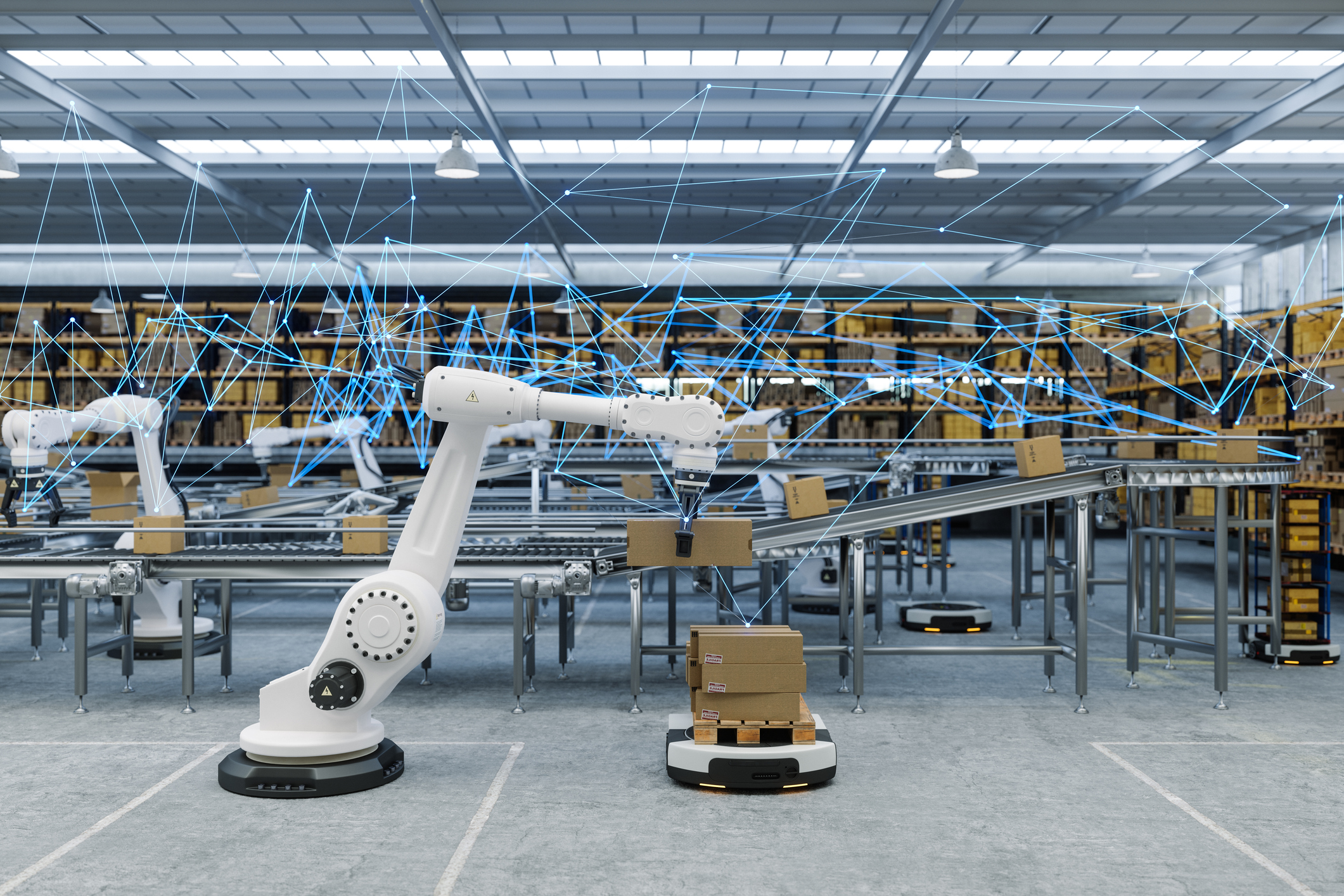
Automotive Manipulator Body Panel Positioning Windshield Installation Plant
Types of Automotive Manipulators: Which Is Right for Your Application?
Not every automotive manipulator is the same. Here are the main types used in vehicle manufacturing:
Pneumatic Automotive Manipulators
The most common choice in North American automotive plants. Powered by compressed air, pneumatic manipulators for automotive assembly are durable, low-maintenance, and safe in environments where electrical sparking is a concern. Ideal for loads from 50–2,000 lbs across body shop, assembly, and paint areas.
See Thema’s pneumatic manipulator range →
Suspended (Overhead) Automotive Manipulators
Suspended industrial manipulators are mounted on overhead rail systems, giving maximum floor space efficiency, critical in high-density automotive assembly cells. They’re commonly used for door, hood, and glass installation where floor-mounted systems would obstruct workflow.
Mobile Automotive Manipulators
Mounted on wheeled platforms, mobile automotive manipulators serve multiple workstations from a single unit, useful in job-shop automotive environments or during model changeovers when fixed-station configurations need to flex.
Custom-Built Automotive Manipulators
For unique part geometries, EV battery configurations, or specialized end-effector requirements, custom automotive manipulator systems are engineered from the ground up. Thema’s application engineering team works directly with plant teams to design, prototype, and validate custom solutions before production deployment.
The Future: Smart Automotive Manipulators and Industry 4.0
Automotive manipulators in 2026 are smarter than their predecessors, and the gap is widening fast.
AI-Assisted Load Sensing Next-generation Industry 4.0 automotive manipulator systems integrate load-cell data with AI algorithms that detect weight distribution anomalies in real-time, automatically adjusting counterbalance before the operator notices any imbalance. This matters especially for the off-center loads common in powertrain handling.
IoT Predictive Maintenance Modern systems report their own health data via IoT connectivity: pressure drop trends, cycle count milestones, wear-indicator thresholds. Maintenance teams get alerts before failures happen, which, on an automotive line running 500+ cycles per shift, is the difference between planned downtime and an unplanned line stop. Thema’s maintenance program supports IoT-connected systems with structured service plans.
Cobot Integration Collaborative robot (cobot) and manipulator hybrid workstations are emerging in high-mix, lower-volume automotive environments, where the manipulator handles the weight and the cobot handles the repetitive fastening. It’s a genuinely elegant solution for premium and specialty vehicle assembly.
Choosing the Right Automotive Manipulator: 5 Questions to Ask First
Before specifying any automotive manipulator system, answer these five questions honestly:
1. What is the maximum load weight, including tooling?
Spec for your heaviest part, not your average. Include the end-effector weight in your total.
2. What is the part geometry?
Standard shapes fit standard tooling. Irregular shapes, like EV modules, full door assemblies, or curved glass, may require a custom end-effector design.
3. What is your floor layout and ceiling height?
This determines whether a floor-mounted column, suspended overhead, or mobile configuration makes the most sense for your cell.
4. How many cycles per shift?
High-cycle applications (50+ lifts/hour) favor pneumatic automotive manipulators for their durability. For lower-cycle precision applications, electric systems may offer advantages.
5. What is your installation timeline?
Thema’s installation team conducts a full facility assessment and provides a detailed installation plan, typically with minimal production disruption. If your line can’t afford a long install window, discuss this upfront.
Why Automotive Manufacturers Choose Thema North America
We don’t just ship a manipulator; we solve a handling problem.
Based in Harleysville, Pennsylvania, Thema North America serves automotive manufacturers, Tier 1 suppliers, and OEM facilities across the United States, Canada, and Mexico. Our application engineers have hands-on experience with the specific handling challenges of automotive production, from traditional body shop operations to next-generation EV battery assembly.
What automotive manufacturers tell us matters most:
- CE-certified systems that pass OSHA and IATF 16949 audits
- Application engineering support, not just order fulfillment
- Professional on-site installation with minimal line disruption
- Structured maintenance program protecting uptime long-term
- Custom end-effector engineering for automotive-specific part geometries
- North America-wide coverage with fast response
Learn more about Thema North America →
Ready to eliminate manual handling injuries on your automotive line? Contact our team today →
267-551-5517 | jen@thema-northamerica.com | 3800 Ashland Drive, Harleysville, PA 19438
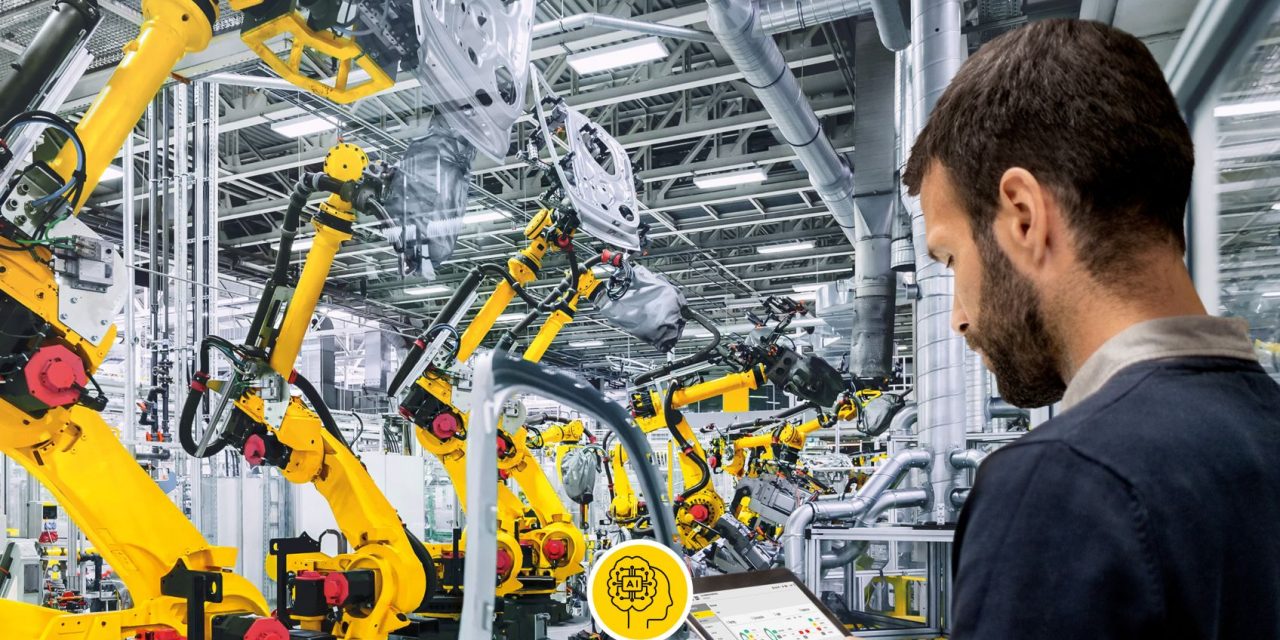
Thema North America | Automotive Manipulator Pennsylvania Assembly Facility
FAQ: Automotive Manipulators – Real Questions, Straight Answers
1. What is an automotive manipulator, and what does it do?
An automotive manipulator is a mechanical lifting and positioning device that allows one operator to safely handle heavy automotive components, including engines, gearboxes, body panels, windshields, seats, tires, and EV battery modules. It bears the full weight of the load while the operator uses a light guidance force to position the part with precision. Unlike a crane or forklift, it provides three-dimensional control at the point of assembly.
2. What is the difference between a manipulator car system and an industrial robot?
A manipulator car system (automotive manipulator) is human-guided; the operator controls movement while the machine bears the weight. It excels at tasks requiring human judgment, adaptability, and handling of variable or irregular parts. An industrial robot is fully automated, ideal for perfectly repetitive structured tasks like spot welding. Most modern automotive plants use both technologies together in hybrid production lines.
3. How do automotive manipulators improve workplace safety?
Automotive manipulators improve safety by eliminating the physical lifting burden from workers, removing the root cause of musculoskeletal disorders (MSDs), which account for roughly one-third of all recordable injuries in automotive manufacturing. They also eliminate two-person lift scenarios, reduce fatigue-driven errors, support OSHA ergonomic compliance, and lower workers’ comp Experience Modification Rates (EMR) over time.
4. What automotive components can be handled with an automotive manipulator?
Automotive manipulators handle a wide range of components, including engines (200–600 lbs), gearboxes, car doors and body panels, windshields and glass, seats and dashboards, tires and wheel assemblies, exhaust systems, and EV battery modules (up to 1,200 lbs). Custom end-of-arm tooling, suction cups, grippers, clamps, and cradles are designed for each specific part type.
5. Can automotive manipulators handle EV battery modules?
Yes. EV battery handling manipulators are one of the fastest-growing automotive applications. They’re specifically engineered for battery module weight (often 400–1,200 lbs), chemical sensitivity requirements, and the high positional accuracy needed for battery pack assembly into EV platforms. As EV production scales across North America, this application is becoming standard in new plant configurations.
6. What types of automotive manipulators are available?
The main types used in automotive manufacturing are:
(1) pneumatic automotive manipulators: most common, ideal for high-cycle, harsh environments
(2) suspended overhead manipulators: ceiling-mounted for floor space efficiency
(3) mobile automotive manipulators: wheeled platforms serving multiple stations
(4) custom-built systems: engineered for specific part geometries, like EV battery modules or complex interior assemblies.
7. How long does it take to achieve ROI on an automotive manipulator?
Most automotive manipulator systems achieve full ROI within 12–24 months, driven by reduced workers’ comp claims, lower insurance premiums from improved EMR, reduced labor costs (one operator replacing two or three), faster cycle times, and reduced product damage from handling errors. A single prevented MSD claim can recover a significant portion of the equipment investment.
8. Where can automotive manufacturers in Pennsylvania or North America get automotive manipulators?
Thema North America, based in Harleysville, Pennsylvania, supplies, engineers, and installs CE-certified automotive manipulators across the United States, Canada, and Mexico.
Contact our team at 267-551-5517 or jen@thema-northamerica.com for a free facility assessment and application-specific recommendation.